
Recent Blog
Your Guide to Undas Remittances
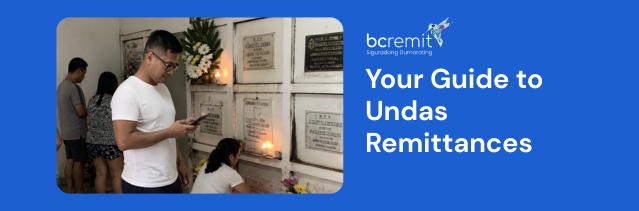
For Filipinos, Undas is more than another date on the calendar.
Every year around All Saints’ Day on November 1 and All Souls’ Day on November 2, families across the Philippines come together to remember loved ones who have passed away. Cemeteries fill with flowers and candles, relatives travel home to their provinces, families share food, and prayers are offered for those who are no longer with us.
For Overseas Filipino Workers (OFWs) and Filipinos living abroad, being thousands of kilometres away can make Undas particularly meaningful. You may not be able to visit the cemetery yourself, but sending money home can help your family prepare, travel, buy flowers and candles, and continue traditions on your behalf.
If you are planning an Undas remittance this year, it pays to send a little earlier than usual. Let’s break down why timing matters, and what you can do to save while helping your family out for this important occasion.
Why Undas Matters to Filipino Families
Undas has deep cultural and religious roots in the Philippines. Although traditions differ between provinces and families, the occasion generally centres around remembering deceased relatives and spending time together.
Families may clean and decorate gravesites, light candles, bring flowers, hold prayers and prepare food to share with relatives. In some communities, regional traditions have also been passed down through generations.
For Filipinos abroad, remitting during Undas can therefore mean much more than simply sending money. It can be a way of participating from afar, with some OFWs even scheduling video calls during Undas visits so they can still be with everyone back home.
What Your Undas Remittance Might Help Pay For
Undas expenses can quickly add up, particularly for larger families or those travelling back to their home province.
Your family might use additional money for:
- Flowers and candles: Fresh flowers, candles and other decorations are among the most common Undas purchases. A family visiting several relatives’ graves may need to buy supplies for multiple gravesites.
- Travel expenses: Many Filipinos travel home during Undas, sometimes crossing several provinces to visit family cemeteries. That can mean paying for bus fares, fuel, tolls or other transportation expenses. Demand for transport can also become heavy around the holiday period, so families may need to organise their trips in advance.
- Food for the family: Undas is often an extended family occasion. Relatives may spend much of the day together at home or near the cemetery, meaning additional money may be needed for meals, snacks and drinks.
- Cemetery maintenance: Some families also spend money cleaning, repairing or maintaining the gravesites of relatives before Undas. Depending on the condition of the site, this might involve cleaning supplies, repainting, minor repairs or paying somebody locally to help prepare it.
- Helping elderly relatives: Parents or grandparents may want to visit the cemetery but need help covering transportation or other expenses. A small additional padala can make it easier for them to participate without having to take the money from their normal household budget.
Why You Should Consider Sending Your Undas Remittance Early
Timing is particularly important this year. In 2026, November 1 falls on a Sunday and November 2 falls on a Monday. Both have been designated special non-working days in the Philippines.
That creates a longer Undas period for many families and could affect normal business and banking schedules, so it’s worth avoiding a last-minute transfer where possible. Sending your money several days beforehand gives your recipient more time to withdraw or access the funds, buy what they need and organise travel before the busiest part of the weekend.
It can also provide some breathing room if a bank, payout location or other part of the transfer process is affected by holiday operating hours.
Check How Your Recipient Wants to Receive the Money
Before sending, talk to your family about the most convenient payout method. BCRemit provides several ways for beneficiaries in the Philippines to receive money, including:
- Direct deposit to a Philippine bank account
- Cash pickup
- Mobile wallet transfers
The best option can depend on where your recipient lives and how they plan to use the money.
Someone in a major city may prefer a bank or mobile wallet transfer. An elderly parent who normally uses cash, on the other hand, may prefer cash pickup.
It is also worth checking where your family will actually be during Undas. If they are travelling to another province for the weekend, receiving the money before they leave may be much simpler than trying to access it while travelling.
Look at the Final Peso Amount, Not Just the Transfer Fee
Whenever you send money to the Philippines, it is important to look beyond the advertised transfer fee. The exchange rate also affects how much your family ultimately receives.
Two remittance services could charge similar fees while providing different exchange rates, leaving the recipient with different amounts in pesos.
Before confirming your transfer, check the final amount your beneficiary will receive. This is especially useful if you have a particular Undas budget in mind.
For example, if you want your family to receive enough for transportation, flowers, food and other expenses, work backwards from the amount they actually need in Philippine pesos rather than simply choosing how many pounds, euros, dollars or other currency you want to send.
Be Careful With Remittance Scams During Busy Periods
Busy holidays can also create opportunities for remittance scammers. Be cautious if you or your family receive unexpected messages claiming there is a problem with a remittance or requesting passwords, one-time PINs or other sensitive information.
Always access your remittance provider through its legitimate website or app rather than clicking suspicious links sent through text messages, social media or email.
You should also double-check the recipient information before confirming any transfer, particularly if you are sending to somebody you do not remit to regularly. A few extra seconds checking the details can save considerable trouble later.
Being Part of Undas, Even When You’re Far From Home
One of the hardest parts of living overseas is missing important occasions back home. Undas can be one of them.
You may miss visiting a parent’s grave, lighting a candle beside your siblings or simply spending the day with relatives you have not seen for months or years.
A remittance cannot replace being there. But it can still help you take part.
Whether your padala pays for your mother’s trip to the cemetery, flowers for a loved one’s grave or food for the family after prayers, it is another way to remain connected to the traditions taking place back home.
If you are planning to remit for Undas this year, organise your transfer ahead of the November 1–2 holiday period, confirm how your recipient wants to receive the money and check the final peso amount before sending.
With a little planning, your support can reach home before the candles are lit and the family gathers together to remember.
Subscribe to our Newsletter
Our Global Presence
🌐 Online Services Available Open 24/7
-
Sunday: Open 24 hours
-
Monday: Open 24 hours
-
Tuesday: Open 24 hours
-
Wednesday: Open 24 hours
-
Thursday: Open 24 hours
-
Friday: Open 24 hours
-
Saturday: Open 24 hours