
Recent Blog
The UK’s Be Ready Initiative: What OFWs Should Know About the 72-Hour Emergency Plan
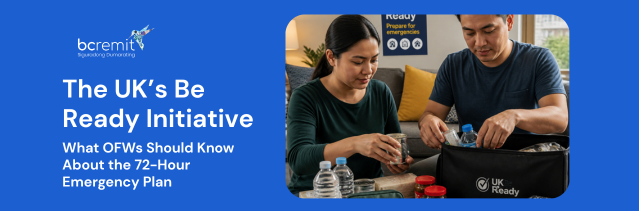
Power cuts, severe storms, flooding, internet outages, and disruptions to essential services can happen with little warning. To keep people prepared, the UK Government has launched Be Ready, a new national campaign encouraging households to prepare themselves to manage for up to three days if normal services are temporarily disrupted.
The campaign focuses on a simple goal: making sure you have enough food, water, medication, information, and basic supplies to get through the first 72 hours of an emergency while emergency services focus on people who need the most help.
For Filipinos living and working in the UK, preparedness can have an extra dimension. An emergency may affect not only your household in Britain, but also your ability to communicate with and financially support family members in the Philippines.
Here is what the Be Ready initiative means and how you can prepare.
What Is the UK’s Be Ready Campaign?
Launched by the UK Government on 22 October 2026, Be Ready is the first stage of a three-year campaign designed to improve household preparedness across the country.
It updates the Government’s previous Prepare guidance and encourages people to take practical steps to cope with situations that interrupt everyday services.
According to government research, only 13% of people in the UK say they feel prepared for an emergency that could cut them off from services they rely on, while 84% want more information about how to prepare.
The Government says emergencies could include severe weather, flooding, power or water outages, communications failures, and other incidents that temporarily disrupt normal life.
The central recommendation is straightforward: be prepared to manage for three days.
The Government says this can help households remain more self-sufficient during the early stages of an emergency and allow emergency services to prioritise people who are particularly vulnerable.
What Do You Need for 72 Hours?
You do not need to rush to the shops and purchase an expensive emergency kit.
In fact, the Be Ready campaign specifically recommends checking what you already have and gradually adding anything that is missing during your normal shopping trips.
Start with the essentials.
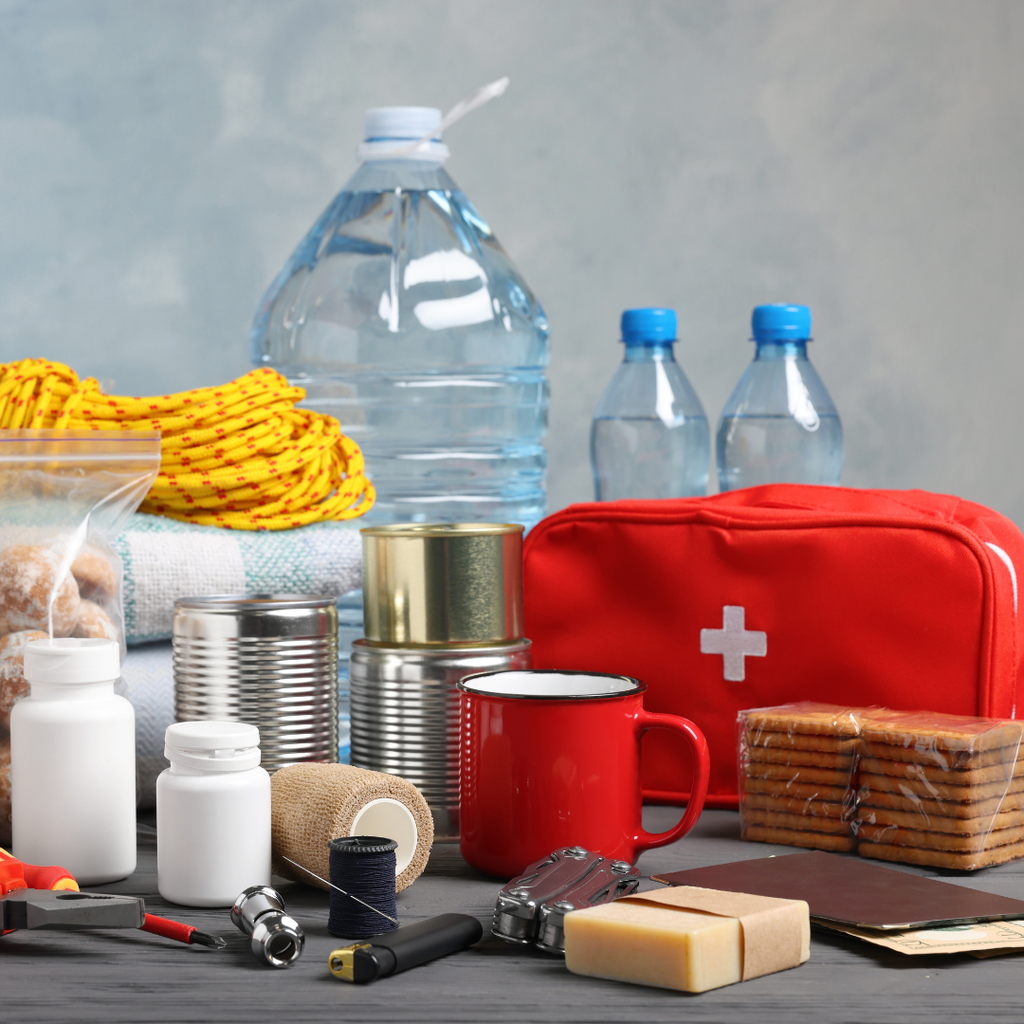
1. Water
Keep enough bottled water to help your household manage for three days.
The Government guidance notes that the World Health Organization recommends a minimum of around 2.5 to 3 litres of drinking water per person per day for survival, although more may be needed for cooking, hygiene, babies, medical requirements, and pets.
Think about everyone in your household rather than simply buying a standard number of bottles.
2. Food that does not require cooking
Keep some non-perishable food that can be eaten even if your electricity or gas supply is unavailable.
This might include:
- Tinned fruit, vegetables, fish, or meat
- Crackers and other shelf-stable foods
- Ready-to-eat meals
- Baby food or ready-to-feed formula
- Food for pets
- A manual tin opener
Rotate these items into your normal meals before they expire and replace them as necessary.
3. Medication and first aid supplies
If someone in your household relies on prescription medication, make sure you are not regularly reaching the point where only one or two doses remain.
Your household should also have basic first aid supplies such as plasters, bandages, antiseptic, sterile dressings, gloves, and a thermometer.
People who depend on powered medical equipment should think about what they would do during a prolonged electricity outage, including keeping backup batteries charged where appropriate.
4. Light, power, and information
A mobile phone becomes much less useful once its battery dies.
The Be Ready guidance therefore recommends having items such as:
- A battery-powered or wind-up torch
- Spare batteries
- A charged portable power bank
- A battery-powered or wind-up radio
A radio may seem old-fashioned, but it can provide important information when electricity, mobile data, or broadband services are unavailable.
Torches are also preferable to candles because they reduce the risk of fire.
Keep Some Important Information Offline
Most of us now keep everything on our phones. Think phone numbers. Bank information. Insurance details. Maps. Documents. Contacts.
That works perfectly…until the phone has no battery or the internet is unavailable.
Be Ready recommends writing important information down and keeping it somewhere accessible.

Consider including:
- Emergency contact numbers
- Family members’ numbers
- Your employer’s contact details
- Regular medications
- Insurance policy information
- Important medical information
- School or childcare contacts
The Government also recommends agreeing on a meeting point with members of your household in case you cannot communicate or return home during an emergency.
For Filipinos living abroad, it is worth keeping important Philippine contact numbers offline as well.
You may also want one trusted family member in the Philippines to know who they should contact in the UK if they cannot reach you directly.
Keep Some Cash Available
Another recommendation that may surprise people is keeping a small amount of physical cash at home.
If an emergency temporarily interrupts electricity, mobile networks, banking systems, or card payment infrastructure, electronic payments may become difficult.
You do not need to withdraw your savings and hide them under the mattress.
The purpose is simply to have enough accessible money to pay for basic necessities if digital payments temporarily stop working.
For OFWs and other Filipinos abroad, it is also worth thinking about the financial side of emergency preparedness more broadly.
If your family in the Philippines relies on regular support from you, make sure they understand what to do if they cannot contact you for a day or two.
Where possible, households can also work toward maintaining a small emergency fund in the Philippines rather than waiting until an emergency occurs before sending money.
Check Whether You Qualify for Priority Services
Some households may also qualify for additional support from utility companies. The UK’s Priority Services Register helps energy and water providers identify customers who may need extra assistance during an interruption.
Eligibility can include certain people with disabilities or health conditions, older people, pregnant people, and households with young children, among others.
In Northern Ireland, similar services are known as Customer Care Registers. Registration is free, so it is worth checking whether you or someone you look after is eligible.
You Don’t Need to Prepare Everything at Once
One of the most useful parts of the Be Ready guidance is what it doesn’t tell you to do.
You do not need to panic-buy. You do not need months of supplies. And you do not need to spend hundreds of pounds immediately.
The Government recommends starting by checking your cupboards, identifying what your household actually needs, and adding missing items gradually.
You might buy an extra bottle of water this week, add a power bank next month, and make your emergency contact sheet one evening. Then review your supplies roughly every six months to replace expired food, update phone numbers, and adjust the kit as your household changes.
That makes emergency preparedness much more manageable.
Include Your Family in the Philippines in Your Emergency Plan
For many Filipinos in the UK, being prepared also means knowing that loved ones back home will be financially supported when they need it.
Consider discussing a simple plan with your family:
- Who should be contacted if they cannot reach you?
- Is there money available for an unexpected hospital bill or household expense?
- Does another trusted person know how to help if you temporarily cannot access your phone or banking?
These are small conversations, but they can make a major difference when something unexpected happens.
And just as you keep emergency supplies ready at home, it helps to have a reliable way to send money to the Philippines when your family needs it.
Be Ready at Home—and With Your Padala—with BCRemit
Emergency preparation is ultimately about reducing uncertainty. Having essential supplies, knowing how to contact your family, keeping important information accessible, and planning your finances beforehand can make a difficult situation much easier to manage.
For over a decade, Filipino-owned BCRemit has helped Filipinos abroad send money home to the people who matter most.
With competitive exchange rates, clear fees, and a simple transfer process, BCRemit makes it easier to send your regular padala or provide financial support when your family needs it most.
Download the BCRemit app today from the Apple App Store or Google Play, create your account, and remit money to the Philippines with BCRemit.
Being ready isn’t only about preparing for what happens where you are. It’s also about making sure the people you love back home are prepared too.
Subscribe to our Newsletter
Our Global Presence
🌐 Online Services Available Open 24/7
-
Sunday: Open 24 hours
-
Monday: Open 24 hours
-
Tuesday: Open 24 hours
-
Wednesday: Open 24 hours
-
Thursday: Open 24 hours
-
Friday: Open 24 hours
-
Saturday: Open 24 hours