
Recent Blog
How OFWs Can Build a Support Network in a New Country
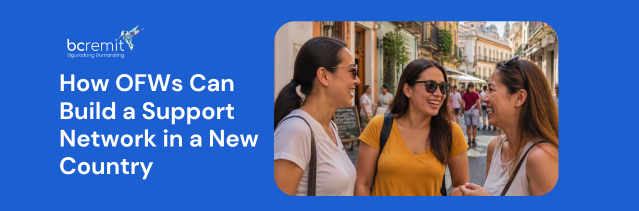
Moving abroad for work can be exciting, but it can also feel isolating at first. You may be adjusting to a new job, a different culture, unfamiliar systems, and a routine that looks completely different from the one you had back home.
The first few weeks or months can be especially challenging. You may not yet know who to call when you need help, where to go for reliable information, or how to meet people outside work. That is why building a support network matters.
A good support network is not just about having friends to spend time with. It can also give you people to turn to when you need practical advice, help navigating local systems, emotional support, or even recommendations for housing, healthcare, transport, and other everyday needs.
The good news is that you do not have to build that network all at once. A few small steps can make a big difference. Here are a few things you can do to jumpstart your social network and feel a little bit more at home.
Start With Filipino Communities in Your Area
One of the easiest ways to meet people who understand your experience is to connect with other Filipinos. Look for Filipino associations, community organizations, cultural groups, and social clubs in your city or region. Many of these groups organize gatherings, holiday celebrations, sports events, food festivals, and community activities.
You may also find local Facebook groups, Messenger groups, WhatsApp communities, or other online spaces specifically for Filipinos living in your area.
Try searching for terms such as:
- “Filipinos in [your city]”
- “OFWs in [your region]”
- “Filipino community in [country]”
- “Pinoys in [city]”
These groups can be useful for more than socializing. Members often share recommendations for accommodation, Filipino grocery stores, restaurants, local services, job-related information, and upcoming events.
Just remember to verify important advice independently, especially when it involves immigration, employment, legal matters, or money.
Look Beyond Your Workplace
For many OFWs, work is the first place where they meet people abroad. That can be a good starting point, but your entire support system does not have to revolve around your job.
Ask coworkers if there are social activities, staff groups, sports clubs, or informal gatherings you can join. Even something simple like having coffee with a colleague after work can help you feel more connected to your new environment.
Building relationships outside your immediate team can also be helpful if you need recommendations for local services, transport tips, or advice about how things work in your area.
The goal is not to become close friends with everyone. Having a few familiar people you feel comfortable asking questions can already make settling in much easier.
Connect Through Churches and Faith Communities
For OFWs who are religious, churches and other faith communities can provide an immediate sense of familiarity and belonging. Many Filipino communities abroad are connected through local churches, and some hold Filipino-language services, community meals, outreach programs, or cultural events.
Even if you are not particularly active in religious life, community events hosted by churches can be a useful way to meet people in a welcoming environment. These groups may also have information about local charities, food support, temporary accommodation, counseling, or other resources that can help newcomers.
Visit Local Community Centers
Community centers are easy to overlook, but they can be extremely useful when you are new to a country. Depending on where you live, they may offer:
- Language classes
- Employment workshops
- Legal information sessions
- Exercise classes
- Cultural events
- Family activities
- Computer access
- Volunteer opportunities
Some councils, municipalities, and nonprofit organizations also run services specifically for migrants and newcomers. These can be especially helpful if you are still learning how local healthcare, transport, housing, or government services work. Check your local government website or visit a nearby community center and ask what services are available.
Join a Hobby or Activity Group
Your support network does not need to be entirely Filipino. Joining an activity you already enjoy is one of the easiest ways to meet people naturally. That could mean joining a basketball league, running club, dance class, gym, photography group, book club, cooking class, or volunteer organization.
The advantage is that you already have something in common, so starting conversations can feel much easier.
Regular activities also help create routine. Seeing the same people every week gives relationships time to develop without forcing them. If you are shy or still building confidence with the local language, choose an activity where conversation is not the only focus.
Learn Where to Find Reliable Local Help
A strong support network also includes knowing which official services you can contact. Save important phone numbers and websites before you actually need them.
Your list may include:
- Your Philippine embassy or consulate
- Local emergency services
- Your employer or HR contact
- Local healthcare services
- Housing or tenant support
- Migrant support organizations
- Employment rights services
- Trusted family members or friends nearby
Keep these details somewhere easily accessible on your phone, but consider storing an offline copy too. You may also want to share key contacts with a trusted family member in the Philippines so someone knows how to reach your employer, accommodation provider, or local emergency contact if necessary.
Find One or Two People You Can Really Rely On
You do not need a huge social circle. What matters more is having a small number of people you can contact when something goes wrong.
Try to identify at least one trusted person nearby who knows where you live, where you work, and how to contact your family. You can do the same for them. This can be especially important if you live alone, work unusual hours, or do not have relatives nearby.. Make sure your family back home also knows who your trusted local contact is!
Stay Connected With Home Without Becoming Isolated Abroad
Regular calls with family in the Philippines can provide enormous emotional support, but it is also important to build a life where you are currently living. It can be tempting to spend every free hour messaging or video calling people back home, especially during your first few months abroad.
Try to create balance.
Schedule regular calls with family, but also make time to explore your neighborhood, attend events, or meet people locally. Building connections abroad does not mean becoming less connected to your family. It simply gives you another layer of support.
Be Careful Who You Trust
Not every person who seems helpful will necessarily have your best interests in mind. Be cautious if someone you barely know asks to borrow money, requests copies of your documents, offers suspicious investment opportunities, or pressures you into financial arrangements.
You should also be careful about sharing information such as your salary, bank details, passwords, remittance account information, or identification documents.
Friendship and community are important, but personal and financial boundaries are equally important.
Give Yourself Time
Building a support network takes time. You may not immediately find people you connect with, and your first few attempts at joining groups or activities may feel awkward.
That is normal.
Focus on consistency rather than trying to build a large circle quickly. Attend the same community event a few times. Say hello to coworkers. Join one activity. Introduce yourself to another Filipino living nearby.
Small interactions add up. Over time, those connections can become the people you call when you need advice, company, or practical help.
Build a Network That Supports Life Abroad and Home
For OFWs, support often stretches across two countries. You are building a life abroad while continuing to care for family, manage responsibilities, and send support back to the Philippines.
Having dependable people and systems on both sides can make that easier. Know who you can turn to locally. Keep your family informed. Save important contacts. Join communities that make you feel welcome. And make sure the tools you depend on for everyday responsibilities are reliable too.
Stay Connected to Home with BCRemit
Building a strong support network abroad can make unfamiliar places feel more manageable. And while the people around you help you settle into your new home, staying connected to the people who matter back in the Philippines remains just as important.
BCRemit gives OFWs a straightforward way to send money home and keep regular support for loved ones easier to manage. Filipino-owned and serving customers across the UK, Canada, the US, and the EU, BCRemit offers competitive exchange rates, transparent fees, and a simple way to handle your padala from wherever life takes you.
Whether you are sending money for household expenses, helping with school costs, or simply keeping up your regular family support, having a remittance service you can depend on is one less thing to worry about while adjusting to life abroad.
Download the BCRemit app from the Apple App Store or Google Play, set up your account, and make staying financially connected to home part of the support system you build around you!
Subscribe to our Newsletter
Our Global Presence
🌐 Online Services Available Open 24/7
-
Sunday: Open 24 hours
-
Monday: Open 24 hours
-
Tuesday: Open 24 hours
-
Wednesday: Open 24 hours
-
Thursday: Open 24 hours
-
Friday: Open 24 hours
-
Saturday: Open 24 hours